
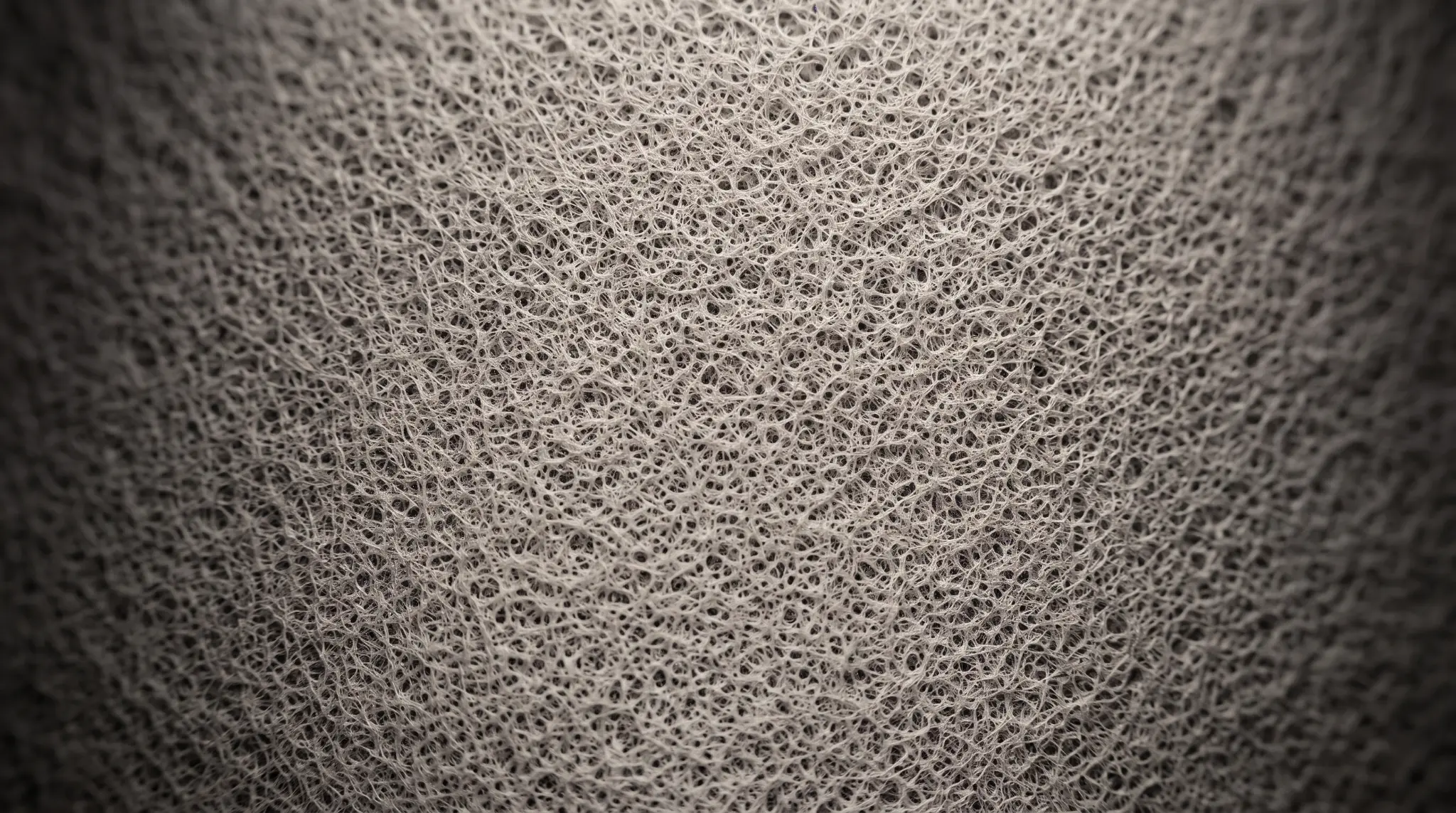
Microporous
Pores small enough to let water vapour through but stop water droplets. As well as standard waterproof breathable uses, microporous membranes are used in specialised filtration. Some are made from PTFE for better performance.
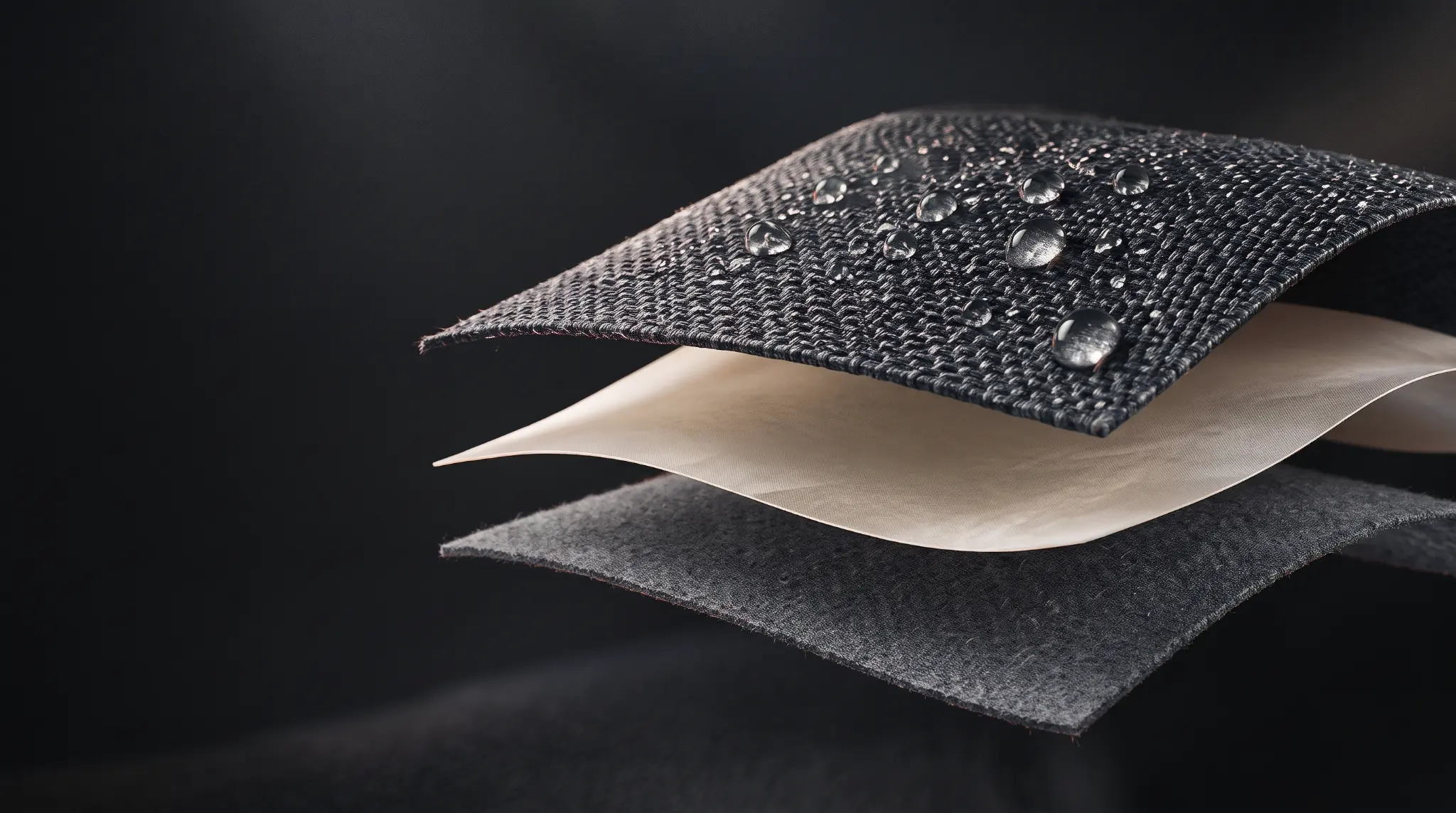
FINLAM / BREATHABLE LAMINATES
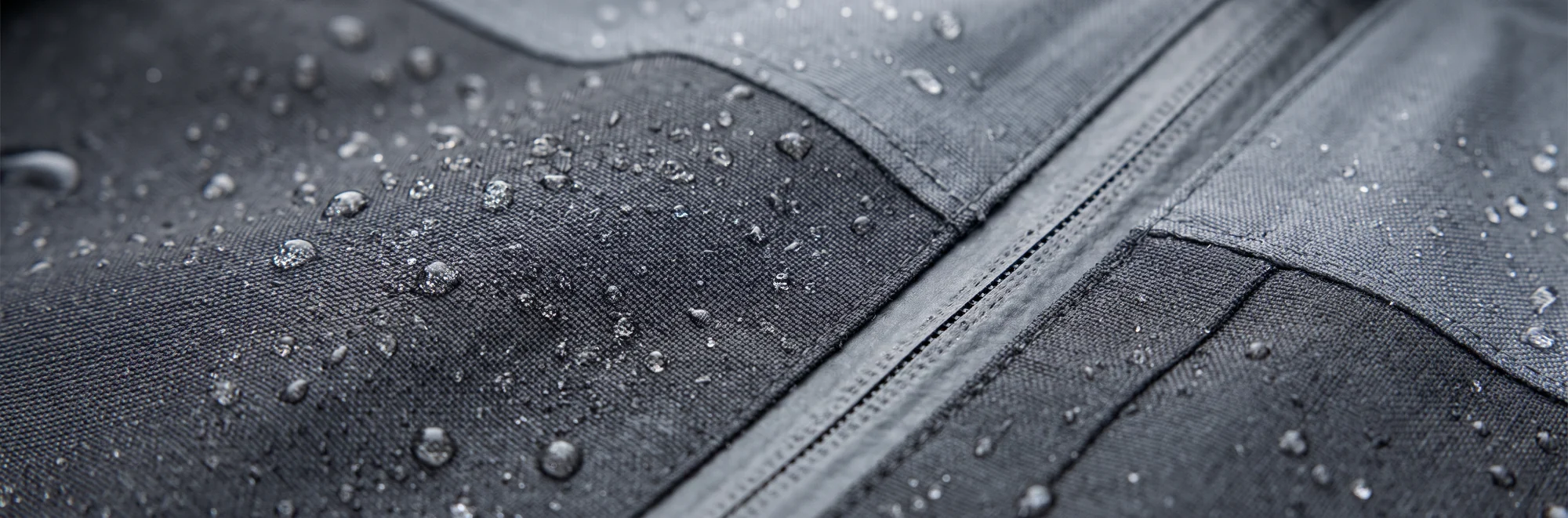
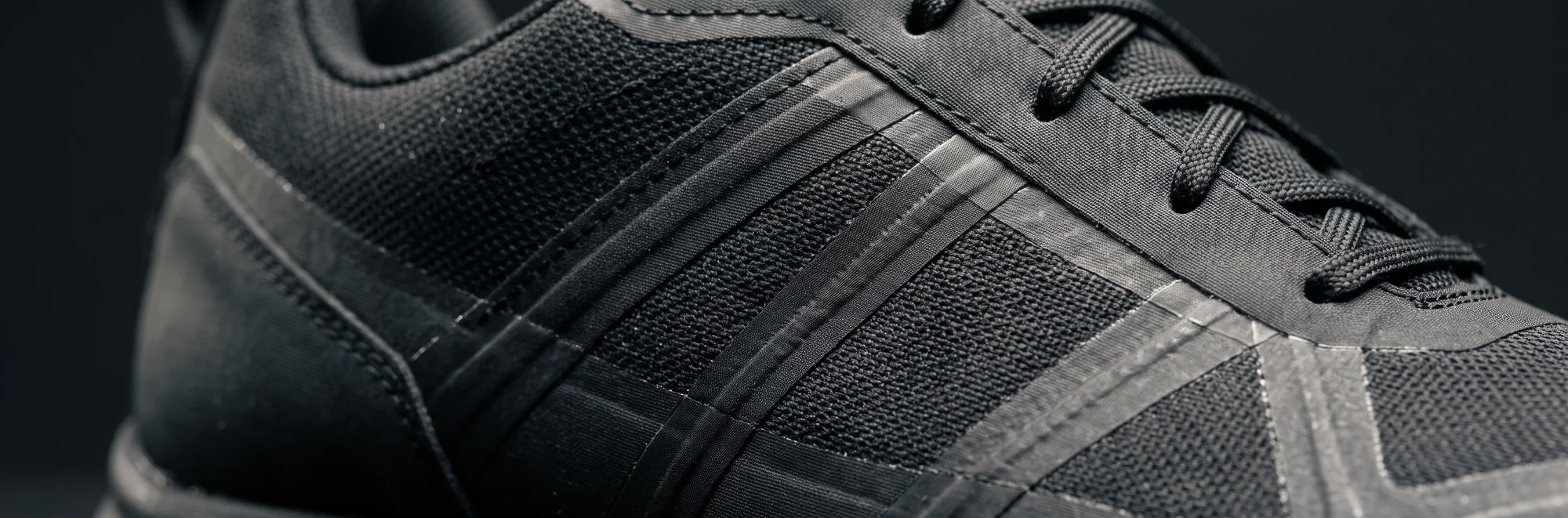
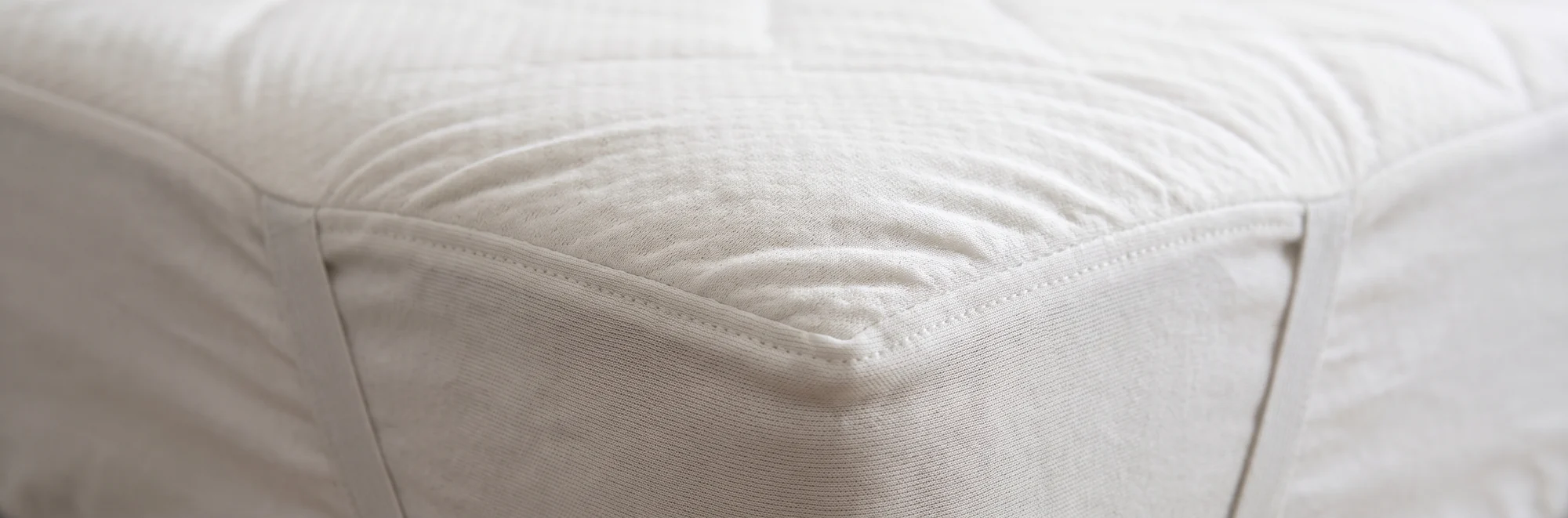
Our breathable laminates keep water out but let moisture vapour escape, so heat and moisture don't build up inside. They're used mainly in protective clothing and fabrics, where they make the wearer more comfortable: rainwear, activewear, military jackets, ski jackets, mattress covers and footwear.
Talk to our team01 / MEMBRANES
We laminate polyurethane, polyester and PTFE membranes. Where breathability isn't needed, PVC film can be used instead, and for jobs that only need a waterproof or windproof barrier we carry membranes with low or no breathability.
Most of our breathable waterproof work uses two kinds of membrane, microporous and monolithic (hydrophilic).
Pores small enough to let water vapour through but stop water droplets. As well as standard waterproof breathable uses, microporous membranes are used in specialised filtration. Some are made from PTFE for better performance.
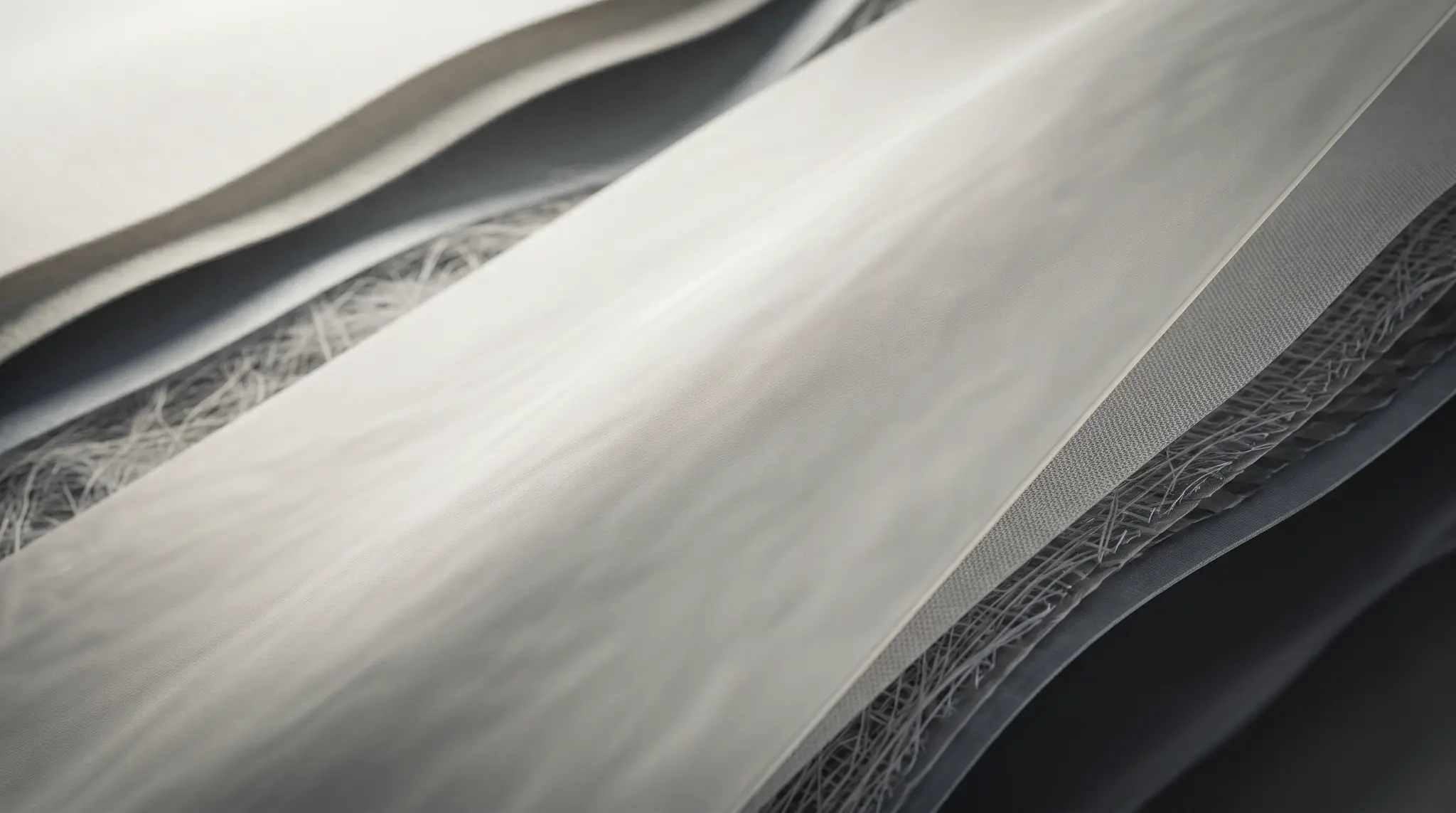
PU offers high stretch and recovery, which suits knitted fabrics.
Usually monolithic. Similar to PU, with less stretch.
Little or no breathability, so it's used mainly for waterproofing and windproofing. It outlasts PU and polyester, though that same longevity counts against it environmentally. It doesn't stretch and recover like PU, so it isn't suited to high-stretch applications.
Microporous. They are very resistant to acids and solvents but don't stretch and recover well.
Developed from single-layer PTFE. After many washes, or contact with certain oils or fuels, contaminants and detergents can build up in the pores of a PTFE membrane and weaken its waterproofing. A very thin PU coating on the membrane solves this, at the cost of slightly lower breathability.
02 / BONDING
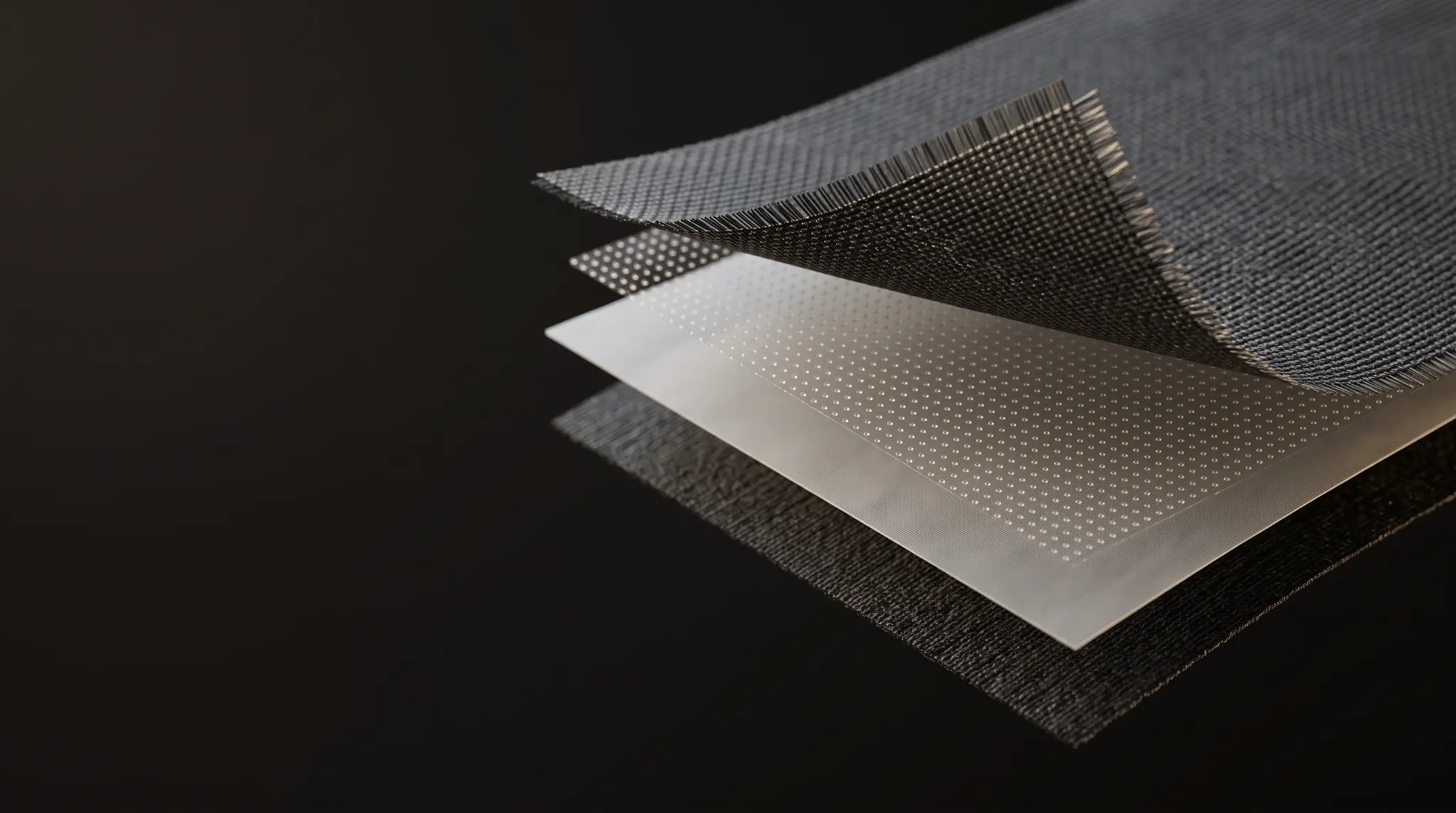
The wrong adhesive will let a laminate come apart under conditions such as washing or sterilisation. The amount of adhesive and the way it's applied also affect breathability: too much forms a barrier, and too little lets the fabric delaminate. We use adhesives designed for specific applications and several bonding methods, including a random dot pattern of polyurethane reactive hot melt.
03 / APPLICATIONS
These images illustrate end uses for fabric; they do not represent finished products supplied by Finlam.
BREATHABLES / ENQUIRIES
Tell us the end use, the face fabric and any washing or sterilisation it has to survive, and we'll recommend a membrane and bonding method.